
Detox Withdrawal Symptoms: What to Expect During Recovery

Detox withdrawal symptoms are the physical and psychological effects the body produces when it stops receiving a substance it has become dependent on. These symptoms occur across a wide range of substances, including alcohol, opioids, and benzodiazepines, and they vary significantly in intensity and duration. Understanding what are detox withdrawal symptoms before they begin gives you a realistic picture of the process and helps you make safer decisions. The clinical term for this experience is substance withdrawal syndrome, and recognizing it as a medical event, not a personal failure, is the first step toward getting through it safely.
What are detox withdrawal symptoms and when do they start?
Detox withdrawal symptoms are the body’s adjustment response to the sudden absence of a substance it has grown chemically dependent on. The brain and nervous system recalibrate their chemistry, and that recalibration produces measurable physical and emotional effects. The timing of onset depends heavily on the substance involved.
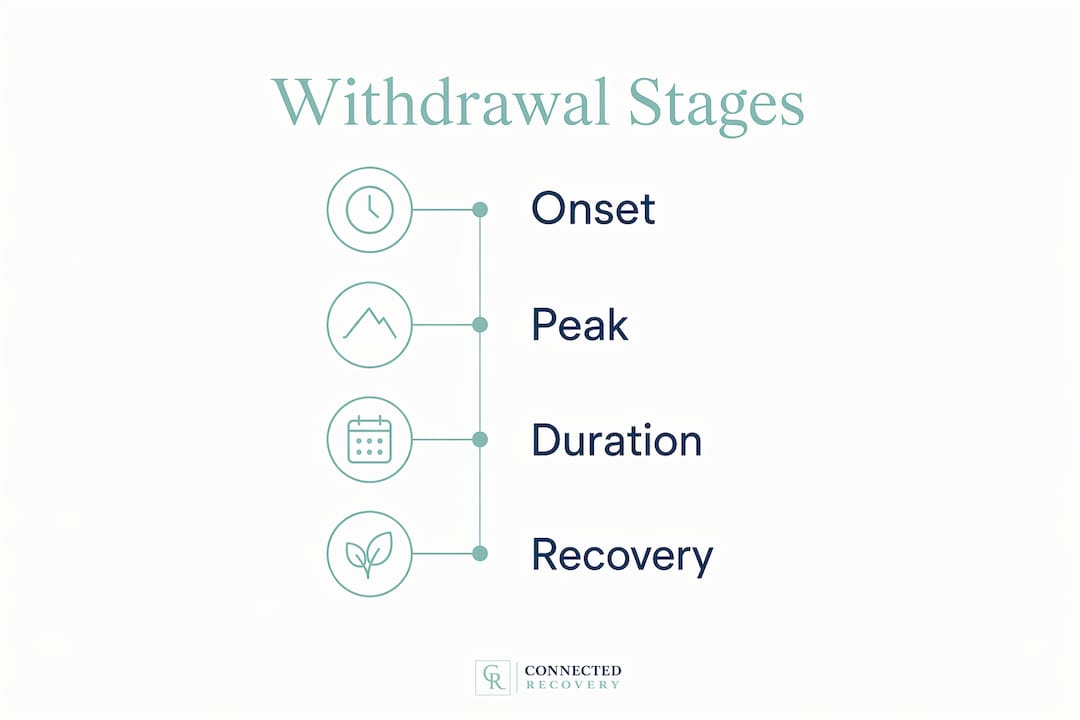
Alcohol withdrawal symptoms typically begin 6–12 hours after the last drink and peak between 24–72 hours, with severe cases involving seizures or delirium tremens. That peak window is the most medically dangerous phase of alcohol withdrawal. Opioid withdrawal symptoms start 8–24 hours after last use and are often described as a severe flu-like illness. Benzodiazepine withdrawal can take longer to emerge, sometimes appearing 24–48 hours after the last dose, and it carries its own serious seizure risk.

Knowing the timeline matters because it tells you when to expect the hardest hours and when to call for help. No two people experience withdrawal identically, but the general progression follows predictable phases that medical teams use to guide care.
What physical symptoms are common during withdrawal?
Physical withdrawal symptoms are the most visible signs that the body is adjusting. They range from uncomfortable to life-threatening, depending on the substance and the person’s history.
Common physical symptoms include:
- Nausea and vomiting
- Sweating and chills
- Tremors or shaking hands
- Headaches
- Muscle aches and cramps
- Diarrhea
- Rapid heart rate
- Elevated blood pressure
- Insomnia and fatigue
One pattern that surprises many people is that symptoms often worsen at night due to disrupted circadian rhythms and heightened nighttime physiological sensitivity. This means the hours between midnight and 4:00 AM are frequently the most difficult, even when daytime symptoms feel manageable.
The table below outlines typical physical symptom timelines by substance:
| Substance | Onset | Peak Intensity | Primary Physical Risks |
|---|---|---|---|
| Alcohol | 6–12 hours | 24–72 hours | Seizures, delirium tremens |
| Opioids | 8–24 hours | 36–72 hours | Dehydration, cardiovascular stress |
| Benzodiazepines | 24–48 hours | 3–7 days | Seizures, prolonged instability |
| Stimulants | 24–72 hours | 3–5 days | Fatigue, cardiac irregularities |
Pro Tip: If you or someone near you experiences a seizure, extreme confusion, or chest pain during withdrawal, call 911 immediately. These are medical emergencies, not normal detox symptoms.
What emotional and mental health symptoms occur during detox?
Psychological withdrawal symptoms are just as real as physical ones, and they often last longer. The brain’s reward and stress systems are deeply disrupted by substance dependence, and restoring their balance takes time.
Common emotional and mental symptoms include:
- Intense anxiety and panic
- Irritability and mood swings
- Depression and hopelessness
- Disturbed sleep and nightmares
- Difficulty concentrating
- Strong cravings for the substance
Co-occurring mental health disorders like anxiety, depression, and PTSD are common and can intensify detox symptoms significantly. This is not coincidental. Many people use substances partly to manage untreated mental health conditions, and when the substance is removed, those underlying conditions surface with full force. Professional centers provide psychiatric assessment and medication management to address both issues at the same time.
Post-Acute Withdrawal Syndrome, known as PAWS, is a phase that follows acute detox and catches many people off guard. PAWS involves persistent mood instability, cognitive fog, sleep disruption, and cravings that can last weeks to months after the acute phase ends. The absence of acute physical symptoms does not mean the brain has fully recovered. Clinicians monitor for PAWS specifically because it is a leading driver of relapse in the weeks following discharge.
Pro Tip: Track your mood and sleep quality daily during and after detox. Patterns in your notes help your care team adjust medications and therapy before symptoms escalate.
How do withdrawal symptoms vary by substance and personal history?
Withdrawal is not a single experience. The severity and type of symptoms depend on the substance used, the dose, how long the person used it, their age, and their overall health status. Prior withdrawal episodes can also increase intensity, a phenomenon clinicians call “kindling.”
Alcohol withdrawal
Alcohol withdrawal carries the highest medical risk of any common substance. Delirium tremens, a severe complication involving confusion, fever, and seizures, occurs in a minority of cases but can be fatal without treatment. The CIWA-Ar scale (Clinical Institute Withdrawal Assessment for Alcohol) is the standard clinical tool used to score symptom severity and guide medication dosing.
Opioid withdrawal
Opioid withdrawal is rarely life-threatening on its own, but the physical suffering is severe enough that many people relapse simply to stop the pain. Clinicians use the COWS scale (Clinical Opiate Withdrawal Scale) to measure severity and determine whether medications like buprenorphine or methadone are appropriate. Dehydration from vomiting and diarrhea is the primary physical danger.
Benzodiazepine withdrawal
Benzodiazepine withdrawal is medically serious and should never be attempted without supervision. Like alcohol, it carries a real seizure risk. The withdrawal timeline is longer than most other substances, and symptoms can fluctuate unpredictably for days.
Stimulant withdrawal
Stimulant withdrawal from cocaine or methamphetamine produces fewer acute physical symptoms but causes profound psychological effects. Extreme fatigue, depression, and intense cravings dominate the first week. Cardiac irregularities are a concern in heavy, long-term users.
Personal factors matter as much as the substance itself. Older adults metabolize substances more slowly and face greater cardiovascular risk during withdrawal. People with liver disease, heart conditions, or unmanaged mental health disorders face compounded risks. A person’s withdrawal history also shapes what to expect. Each prior withdrawal episode can sensitize the nervous system, making the next one more intense.
Why is medical supervision critical during detox?
Unsupervised withdrawal carries serious risks that supervised detox eliminates or significantly reduces. Seizures, dangerous heart rhythms, severe dehydration, and respiratory distress are all possible without proper monitoring. Medical supervision is not a luxury. It is the standard of care for substance withdrawal.
Supervised medical detox includes the following core components:
- Vital sign monitoring. Blood pressure, heart rate, temperature, and oxygen levels are checked regularly to catch dangerous changes early.
- Symptom scoring. Clinicians use validated scales like CIWA-Ar for alcohol and COWS for opioids to measure withdrawal severity objectively and adjust treatment in real time.
- Medication management. Symptom-triggered medication schedules reduce the risk of seizures and delirium tremens in alcohol withdrawal and ease opioid symptoms through medications like buprenorphine. Medications are dosed based on individual symptom scores, not fixed schedules.
- Nutritional and hydration support. IV fluids and nutritional supplementation address the dehydration and deficiencies that withdrawal causes.
- Psychiatric evaluation. Mental health screening during detox identifies co-occurring disorders that need treatment alongside physical withdrawal.
- Transition planning. Patients transferred directly from detox to residential or intensive outpatient treatment have significantly lower relapse rates at 30 and 90 days than those discharged without follow-up. Detox is the beginning of recovery, not the end of it.
Connected Recovery provides 24/7 medical supervision across all of these areas within a 12-bed facility designed for close, individualized attention. The small size means clinical staff can respond to changes in a person’s condition within minutes, not hours.
Key Takeaways
Medical detox with structured follow-up care is the safest and most effective way to manage withdrawal symptoms and reduce the risk of relapse.
| Point | Details |
|---|---|
| Withdrawal starts fast | Alcohol symptoms begin within 6–12 hours; opioid symptoms within 8–24 hours of last use. |
| Physical and emotional symptoms both occur | Nausea, tremors, anxiety, and depression are all part of the withdrawal syndrome. |
| PAWS extends beyond acute detox | Mood instability and cravings can persist for weeks to months after physical symptoms resolve. |
| Substance type shapes risk level | Alcohol and benzodiazepine withdrawal carry the highest seizure risk and require medical oversight. |
| Structured aftercare lowers relapse rates | Transitioning directly from detox to residential or outpatient care produces better 30- and 90-day outcomes. |
What I’ve learned from watching patients go through withdrawal
Most people arrive at detox expecting the physical symptoms. What they do not expect is how disorienting the emotional symptoms feel, especially in the first 72 hours. Anxiety that seems to come from nowhere, a sense of dread that has no clear cause, and sleep that simply will not come. These are not signs that something is going wrong. They are signs that the brain is working to restore its own chemistry.
The biggest misunderstanding I see is that people believe finishing detox means they are recovered. Detox clears the substance from the body. It does not rebuild the neural pathways that addiction disrupted. That work happens in the weeks and months that follow, through individualized treatment that addresses both the addiction and any underlying mental health conditions.
PAWS is the piece that catches people off guard most often. A person feels fine at discharge, then three weeks later they cannot sleep, their mood crashes, and the cravings return. Without a plan for that phase, relapse becomes very likely. The people who do best are the ones who move directly from detox into a structured program and stay connected to clinical support through the post-acute phase.
Detox is a medical event. Treat it like one. The discomfort is real, the risks are real, and the support available through proper medical care is also real. You do not have to manage this alone, and attempting to do so significantly increases the danger.
— Jim
Medical detox support at Connected Recovery

Connected Recovery offers medically supervised detox in a 12-bed facility in Van Nuys, CA, where clinical staff monitor withdrawal symptoms around the clock. The small program size means every person receives direct attention from their care team, with medication management, psychiatric evaluation, and daily symptom monitoring built into the program from day one. For people managing co-occurring mental health conditions alongside withdrawal, Connected Recovery’s dual diagnosis program addresses both simultaneously. After detox, the team coordinates a direct transition to residential or outpatient treatment to support long-term recovery. Reach out through the admissions process to speak with a clinician about your specific situation.
FAQ
What are the first signs of withdrawal?
The first signs of withdrawal are usually anxiety, restlessness, sweating, and nausea. These early symptoms appear within hours of the last use for alcohol and opioids.
How long do detox withdrawal symptoms last?
Acute withdrawal symptoms typically resolve within 5–10 days, depending on the substance. Post-Acute Withdrawal Syndrome can extend mood and sleep disruption for weeks to months beyond that.
Is detox withdrawal dangerous without medical help?
Alcohol and benzodiazepine withdrawal can cause life-threatening seizures without medical supervision. Opioid withdrawal is rarely fatal but carries serious risks from dehydration and relapse.
What is PAWS and how does it affect recovery?
PAWS stands for Post-Acute Withdrawal Syndrome, a phase of persistent mood instability, cognitive fog, and cravings that follows acute detox. It is a primary driver of relapse and requires ongoing clinical monitoring.
Can medications help with withdrawal symptoms?
Yes. Clinicians use medications like benzodiazepines for alcohol withdrawal and buprenorphine for opioid withdrawal, guided by validated scoring tools like CIWA-Ar and COWS to dose appropriately for each person.
Recommended
DHCS Licensed · Joint Commission Accredited
If you or a loved one is struggling with substance use, our admissions team is available to verify your insurance benefits and help you begin recovery. All calls are confidential.