Examples of Recovery Support Resources: A Full Guide

Recovery support resources are defined as the tools, programs, and services that help people sustain long-term recovery from addiction and mental health disorders. These resources go well beyond clinical treatment. SAMHSA defines recovery as a process of change through which individuals improve their health, live self-directed lives, and strive toward their full potential. That definition matters because it confirms that no single program or therapy does the job alone. The most effective recovery plans combine clinical care, peer connection, community engagement, and digital tools. Connected Recovery builds its entire model around this reality, pairing medical supervision with peer support and aftercare from day one.
1. Examples of recovery support resources: peer specialist services
Peer support workers use their own lived experience to empower people in recovery and help them navigate both clinical and everyday challenges. That shared experience is what separates a peer specialist from a therapist. A therapist offers clinical expertise. A peer specialist offers proof that recovery is possible.
Peer specialists work in a wide range of settings:
- Clinical teams: Peer specialists join hospital emergency departments and primary care clinics to provide immediate, community-based support alongside medical staff.
- Community centers: Local recovery community organizations employ peer specialists to run drop-in hours, host group check-ins, and connect people to housing or legal aid.
- Hospital outreach: Some specialists meet people at the point of discharge, following up within 24–72 hours to reduce the risk of relapse right after treatment ends.
Their practical tasks are concrete and specific. A peer specialist might drive someone to a medication appointment, help them fill out Medicaid paperwork, or show them where to access naloxone. Peer specialists complement clinical therapy rather than replace it. They handle the logistical barriers that therapists rarely have time to address.
State-level directories make peer specialists easier to find. The Virginia Peer Recovery Specialist Association and the Ohio Association of Recovery maintain searchable registries by county.
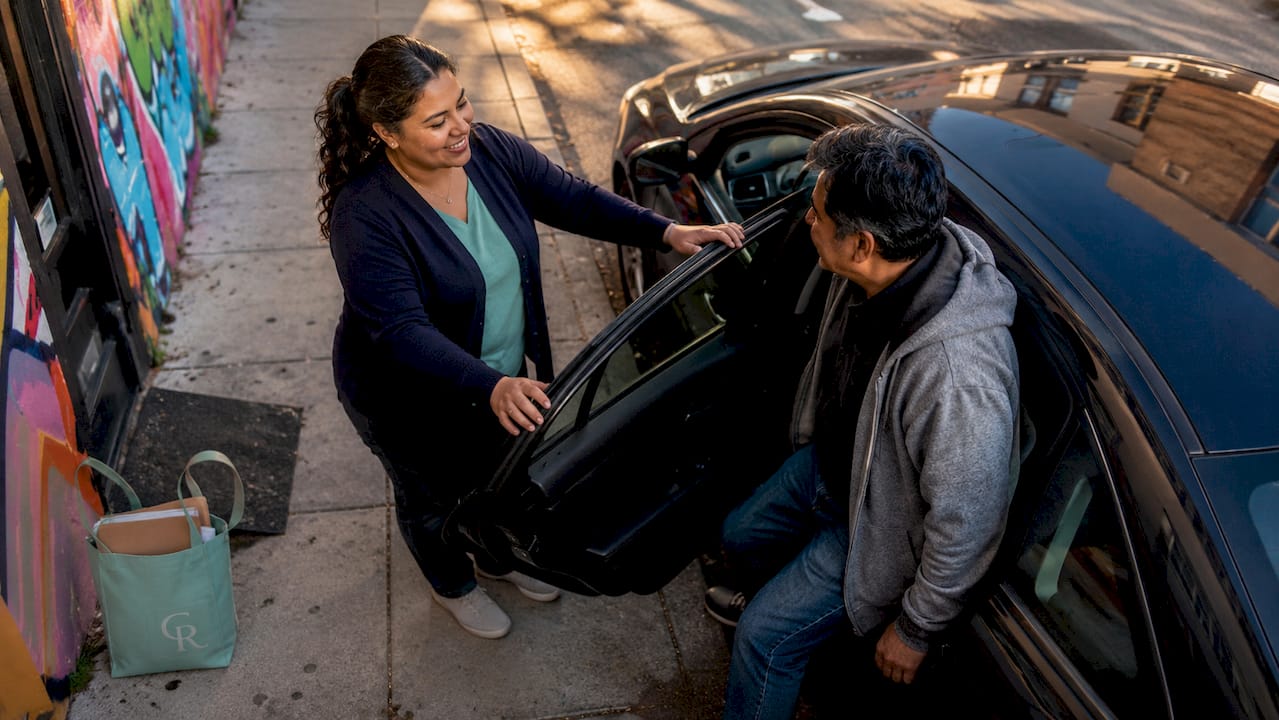
Pro Tip: Ask your treatment center or primary care doctor to connect you with a peer recovery specialist before you are discharged. That handoff is one of the highest-risk moments in recovery, and a peer specialist can bridge the gap.
2. Mutual support groups and self-help programs
Mutual support groups are peer-led programs where people in recovery share experience, accountability, and encouragement. They are free, widely available, and operate independently of clinical systems. Choosing the right type matters more than most people realize.
12-step programs like Alcoholics Anonymous (AA) and Narcotics Anonymous (NA) are the most widely recognized. They emphasize abstinence, a spiritual framework, and sponsorship, where a person with longer-term recovery guides someone newer. Meetings happen daily in most cities and towns across the country.
Secular alternatives take a different approach. SMART Recovery uses cognitive-behavioral methods to help people identify triggers, manage urges, and build motivation. There is no sponsor model and no spiritual component. Matching personal philosophy to the right group type is critical for long-term participation. People who feel philosophically misaligned with a group tend to drop out early.
Other group options worth knowing:
- Al-Anon: Designed for family members and friends of people struggling with alcohol use disorder.
- Alateen: A branch of Al-Anon specifically for youth aged 13–18 affected by a family member’s drinking.
- Recovery Dharma: A Buddhist-informed program that uses meditation and community as its core tools.
- Celebrate Recovery: A faith-based program operating primarily through Christian churches.
Online meetings have expanded access dramatically. People in rural areas, those with mobility limitations, or those working night shifts can now attend meetings at any hour. The key is to treat group selection as a process, not a one-time decision.
3. Clinical and residential treatment programs
Clinical programs form the foundation of most recovery plans. They provide structured, medically supervised care that addresses both the physical and psychological dimensions of addiction.
Residential treatment programs vary in duration based on clinical need. The National Council on Aging documents standard tracks at 14, 30, 60, and 90-plus days. Longer stays are associated with better outcomes for people with severe dependence or co-occurring mental health conditions.
| Program type | Typical duration | Intensity level |
|---|---|---|
| Medical detox | 3–10 days | Highest |
| Residential treatment | 14–90+ days | High |
| Partial hospitalization | 4–6 hours/day | Moderate-high |
| Intensive outpatient | 9–12 hours/week | Moderate |
| Standard outpatient | 1–2 sessions/week | Lower |
Evidence-based therapies used inside these programs include Cognitive Behavioral Therapy (CBT), Dialectical Behavior Therapy (DBT), and Medication-Assisted Treatment (MAT). CBT helps people identify and change thought patterns that drive substance use. DBT adds skills for emotional regulation and distress tolerance. MAT uses medications like buprenorphine or naltrexone to reduce cravings and withdrawal symptoms.
Integrated care models embed peer specialists directly into clinical teams, making recovery continuous rather than episodic. Connected Recovery uses this model, combining 24/7 medical supervision with peer support and case management services within a 12-bed facility designed for individualized attention.
Pro Tip: If you or someone you care about has both a substance use disorder and a mental health condition, look specifically for programs offering dual diagnosis treatment. Treating only one condition without the other significantly increases relapse risk.
4. Digital and community-based recovery tools
Digital tools fill the gaps that scheduled clinical visits cannot. Immediate support at the moment of craving reduces relapse risk better than any appointment scheduled days in advance. This is the core argument for building a digital layer into your recovery plan.
Specific digital and community resources include:
- High-frequency online meeting platforms: Some networks host over 130 online meetings weekly, giving people access to peer support during work breaks, late nights, or weekends when in-person options are closed.
- Sober social apps: Several apps use GPS-based features to alert a support contact when a person enters a high-risk location or triggers a “burning desire” alert. These tools turn passive technology into active relapse prevention.
- Online forums and communities: Reddit communities, private Facebook groups, and dedicated recovery forums provide real-time peer connection without geographic limits.
- Recovery blogs and podcasts: Written and audio content from people in long-term recovery normalizes the experience and provides perspective during difficult stretches.
Community-based activities also play a real role. Sober social events, fitness groups organized around running or yoga, and creative workshops like art therapy or music programs give people in recovery a way to build identity and connection outside of treatment settings.
Digital recovery tools work best when they are layered on top of clinical and peer support, not used as a substitute. A GPS-based app cannot replace a peer specialist, but it can be the resource that gets you through a Tuesday night when no meeting is available and your counselor’s office is closed.
5. Case management and aftercare planning
Case management is one of the most underused recovery support services available. A case manager coordinates the full picture of a person’s recovery, connecting clinical treatment, housing, employment, legal issues, and community resources into a single plan.
Case managers work across systems that rarely communicate with each other. They help people navigate insurance coverage, apply for disability benefits, find sober living housing, and schedule follow-up appointments after discharge. Without this coordination, people in recovery often fall through the gaps between systems.
Aftercare planning is the structured process of preparing for life after residential or intensive treatment. A strong aftercare plan identifies specific triggers, names a peer support contact, schedules outpatient appointments, and outlines a relapse response protocol. Connected Recovery builds aftercare planning into treatment from the first week, not as an afterthought at discharge.
The combination of case management and aftercare planning addresses one of the most dangerous periods in recovery: the transition out of structured care. People who leave residential treatment without a concrete plan face significantly higher relapse rates than those with coordinated follow-up.
6. Medication-Assisted Treatment as a recovery resource
Medication-Assisted Treatment (MAT) is a clinically validated approach that uses FDA-approved medications alongside counseling to treat substance use disorders. It is not a substitute for recovery work. It is a tool that makes recovery work more possible.
MAT medications fall into three main categories. Buprenorphine and methadone reduce opioid cravings and withdrawal symptoms. Naltrexone blocks the euphoric effects of opioids and alcohol, reducing the incentive to use. Acamprosate helps people in alcohol recovery manage post-acute withdrawal symptoms like anxiety and sleep disruption.
The stigma around MAT remains a real barrier. Many people in recovery, and some treatment programs, treat medication use as incompatible with “real” recovery. The clinical evidence does not support that view. MAT reduces overdose deaths, improves treatment retention, and lowers the rate of infectious disease transmission. Connected Recovery’s MAT program integrates medication management with therapy and peer support, treating the whole person rather than just the symptom.
Key takeaways
The most effective recovery plan combines clinical treatment, peer support, mutual aid groups, and digital tools, because no single resource addresses every dimension of recovery.
| Point | Details |
|---|---|
| Peer specialists fill critical gaps | They handle logistics like transportation and housing that clinical therapists cannot address. |
| Group philosophy matters | Matching your values to the right mutual aid group, spiritual or secular, improves long-term participation. |
| Clinical programs vary by intensity | Programs range from 3-day detox to 90-plus-day residential stays based on clinical need. |
| Digital tools prevent relapse in real time | Platforms with 130-plus weekly meetings provide support during evenings and weekends when offices are closed. |
| Aftercare planning reduces relapse risk | A structured plan built before discharge significantly improves outcomes after residential treatment ends. |
What I’ve learned about building a real recovery support system
Most people approach recovery support the way they approach a first doctor’s visit: they go once, get a recommendation, and assume the work is done. That is not how this works.
The people I have seen build lasting recovery treat support resources the way athletes treat training. They try different groups until they find one where they actually want to show up. They use a peer specialist not just in crisis, but as a regular check-in. They layer digital tools on top of clinical care, not instead of it.
The insight most articles skip is this: peer specialists are often more valuable than a second therapy session per week. A therapist helps you understand your patterns. A peer specialist helps you survive Tuesday. Both matter, but the logistical, real-world support that peer specialists provide is chronically undervalued.
Recovery is not linear. Expecting it to be linear is one of the fastest ways to interpret a hard week as failure. The resources described here are not a checklist to complete. They are a toolkit to return to, adjust, and rebuild as your needs change. The goal is not to graduate from support. The goal is to build a life where support is woven into the structure of your days.
— Jim
Connected Recovery’s programs for every stage of recovery
Connected Recovery offers a full range of programs designed for people who need more than a referral list.
Connected Recovery’s 12-bed facility in Van Nuys, CA provides medical detox, residential treatment, dual diagnosis care, MAT, case management, and structured aftercare planning under one roof. The small size is intentional. Every person receives individualized attention from a clinical team that knows their name and their history. Whether you are at the beginning of recovery or rebuilding after a relapse, Connected Recovery’s addiction treatment programs are built to meet you where you are and support you through what comes next.
FAQ
What are the main types of recovery support resources?
Recovery support resources fall into four main categories: clinical treatment programs, peer support services, mutual aid groups, and digital or community-based tools. Each type addresses a different dimension of recovery, and the most effective plans combine all four.
What are the 3 C’s of recovery?
The 3 C’s of recovery are connection, commitment, and community. These principles reflect the understanding that sustained recovery depends on relationships and ongoing engagement, not willpower alone.
How do peer recovery specialists differ from therapists?
Peer recovery specialists use their own lived experience to provide practical and emotional support, while therapists provide clinical treatment. Peer specialists complement clinical care by handling real-world barriers like transportation, housing, and appointment coordination.
What self-help recovery tools are available online?
Online recovery tools include high-frequency meeting platforms with 130-plus sessions weekly, sober social apps with GPS-based support features, and peer forums that provide real-time connection. These tools are most effective when used alongside clinical and peer support.
How long do residential treatment programs typically last?
Residential treatment programs are typically structured in tracks of 14, 30, 60, or 90-plus days, depending on the individual’s clinical needs and the severity of their substance use disorder.
Recommended
DHCS Licensed · Joint Commission Accredited
If you or a loved one is struggling with substance use, our admissions team is available to verify your insurance benefits and help you begin recovery. All calls are confidential.