The Role of Community in Sustained Recovery
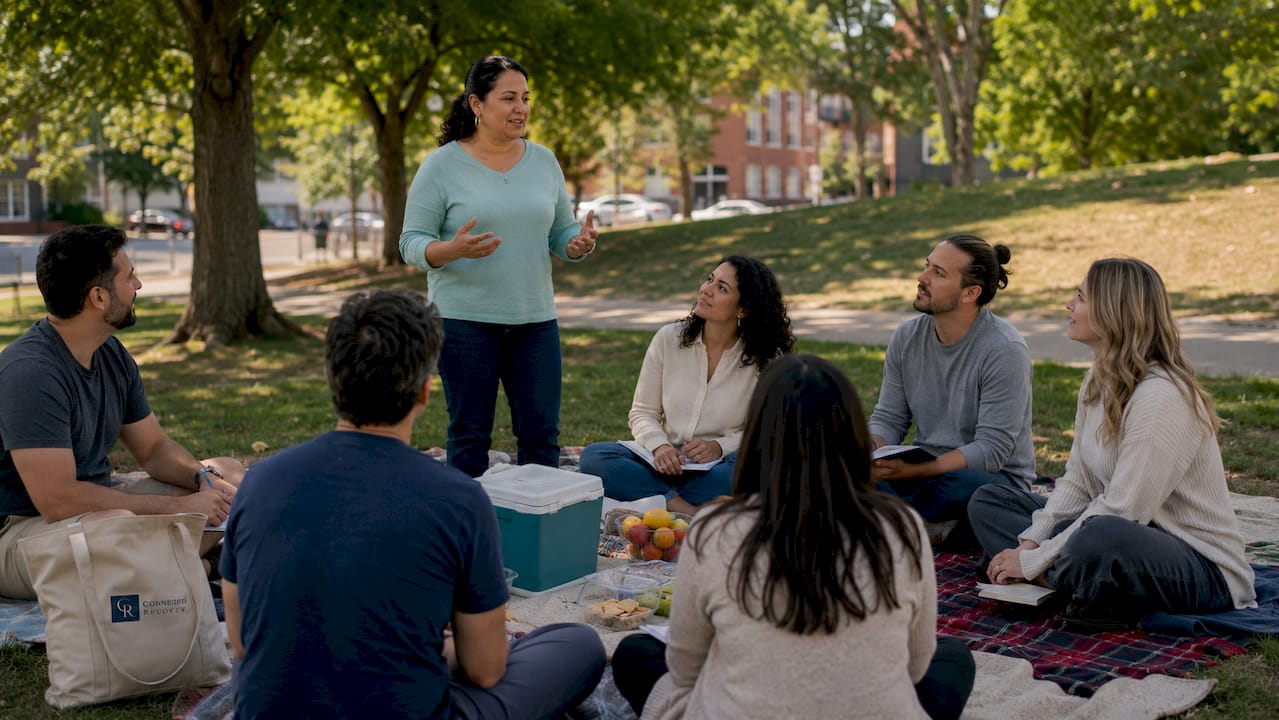
Community is the single most reliable predictor of long-term recovery from addiction. While clinical treatment addresses the physical and psychological roots of substance use, the social environment surrounding a person after treatment determines whether those gains hold. Over 70% of Americans who have experienced substance use problems identify as being in recovery. That number reveals something powerful: a vast, living peer network already exists, and connecting to it is one of the most effective things you can do. The role of community in sustained recovery is not a soft concept. It is a documented mechanism with measurable outcomes, and this article explains exactly how it works.
How does community support bridge the motivation-treatment gap?
Wanting to change and actually getting help are two very different things. Research shows that 68% of people report high motivation to change their substance use behavior, yet only 34.4% accessed formal treatment in the previous year in rural communities. That gap is not a failure of willpower. It is a structural problem, and community connection is one of the most effective tools for closing it.
Recovery Community Centers (RCCs) function as navigation hubs. They connect people to transportation, employment services, healthcare access, and peer support, all without cost. When someone feels a sense of belonging to a place and a group, their commitment to following through on treatment increases. Social attachment to a recovery community creates a pull toward action that motivation alone cannot sustain.

Pro Tip: If formal treatment feels out of reach, start with a local RCC or a free peer group like Alcoholics Anonymous. The social connection itself begins the recovery process before clinical treatment even starts.
The practical benefits of community support in recovery include:
- Transportation and logistics help from peers who have navigated the same barriers
- Emotional encouragement that reduces the fear of entering formal treatment
- Accountability from peers who check in and follow up
- Information sharing about local treatment options, insurance, and eligibility
- Normalization of help-seeking by seeing others who have done it successfully
What mechanisms within recovery communities foster identity transformation?
Recovery is not just about stopping substance use. It is about becoming a different person, and that transformation happens most reliably inside a community. Peer support works through social mechanisms called “Authentic Relational Moments,” which are genuine, unscripted interactions between people with shared lived experience. These moments create therapeutic change that clinical settings alone cannot replicate.
When you sit across from someone who has walked the same road and come out the other side, something shifts. Their story becomes evidence that your story can change too. Peer interactions reinforce a healthy recovery identity on a daily basis, making it harder to slip back into old self-perceptions tied to addiction.
“Lived experience is not inherently therapeutic. It becomes therapeutic when it catalyzes authentic connection, creating moments of genuine recognition between people who have shared similar struggles. Those moments are where identity begins to shift.”
Community also reduces stigma in a way that professional treatment cannot fully achieve. When recovery is normalized within a social group, the shame that drives isolation and relapse loses its grip. Daily visits to recovery community spaces have a measurable positive impact on identity formation, helping people see themselves as people in recovery rather than people defined by addiction.
How does community support reduce relapse risk and accountability?
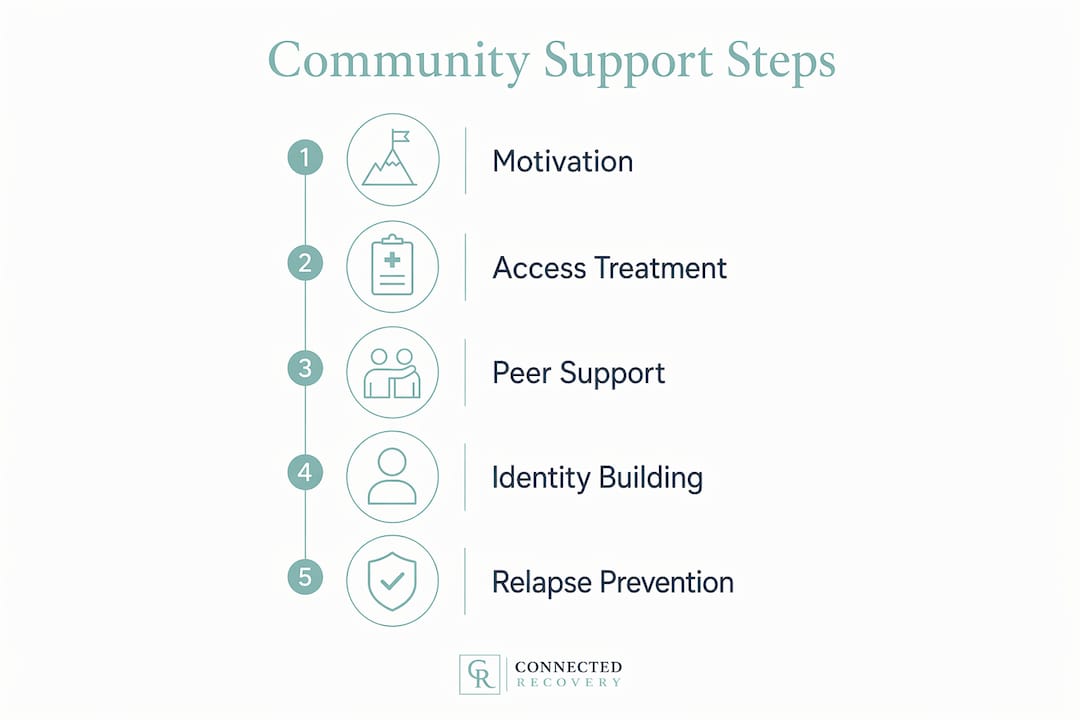
Relapse is not a sign of failure. It is a common part of recovery, and community support changes how severe and how long those episodes last. People engaged in recovery communities sustain abstinence longer than those recovering alone. The reason is straightforward: you cannot hide from people who know you.
Peers recognize early warning signs that you might miss in yourself. Changes in mood, withdrawal from meetings, or shifts in language are visible to people who have experienced the same patterns. That early recognition creates a window for intervention before a full relapse occurs.
Here is how community accountability works in practice:
- Regular check-ins at meetings or recovery centers create a rhythm of accountability that makes absence noticeable.
- Sponsor or mentor relationships provide a direct line to someone who will ask the hard questions.
- Shared goals within a group create social motivation to stay consistent.
- Peer recognition of warning signs leads to early conversations that can redirect a person before crisis hits.
- Emotional support after a slip reduces shame and speeds re-engagement with recovery behaviors.
Pro Tip: Tell at least two people in your recovery community what your personal relapse warning signs look like. When they see those signs, they can reach out before you have to ask.
Certified peer recovery specialists also play a formal role here. Their lived experience inspires hope and normalizes conversations about relapse risk, making it easier to ask for help before a crisis develops. You can learn more about how peer support shapes recovery outcomes in practice.
How do Recovery Community Centers enhance recovery beyond formal treatment?
Formal treatment ends. Community does not. RCCs fill the space after clinical care closes, providing ongoing peer support, social connection, and practical resources that keep recovery active. The table below compares what formal treatment and community-based support each deliver.
| Support Type | What it provides | When it matters most |
|---|---|---|
| Formal clinical treatment | Detox, therapy, medication management | Early recovery and crisis stabilization |
| Recovery Community Centers | Peer support, employment help, social connection | Post-treatment and long-term maintenance |
| 12-step and peer-led groups | Accountability, sponsorship, shared identity | Ongoing, especially in the first two years |
| Medication-assisted treatment support groups | Stigma reduction, peer normalization of MAT | Throughout treatment and after |
RCCs serve as a leveler for people who lack personal support networks. Not everyone has a family that understands addiction or friends who are sober. RCCs provide that network at no cost. Multiple recovery pathways coexist within these spaces: 12-step programs, secular recovery groups, and medication-assisted treatment support groups all operate without conflict, allowing each person to find the approach that fits.
Community involvement also builds purpose through volunteering and mentorship. When you help someone newer in recovery, you reinforce your own commitment. That cycle of giving and receiving support is one of the most durable engines of sustained recovery. For a broader look at what these resources include, the guide on recovery support resources covers the full range of options available.
What practical steps can you take to build community support?
Building a recovery community does not happen automatically. It requires intentional choices made consistently over time. The following steps give you a concrete starting point.
- Establish a weekly routine around at least one meeting, RCC visit, or peer group session. Consistency matters more than frequency at first.
- Seek a sponsor or mentor early. Do not wait until you feel ready. The relationship builds readiness.
- Volunteer within your recovery community. Helping others reinforces your own identity as someone in recovery.
- Participate in sober social activities organized through your recovery group. Social connection outside of formal meetings strengthens the bonds that protect against relapse.
- Track your engagement. Tools like the Sober App use progress tracking to encourage continued participation in recovery activities.
- Ask for structured support if you feel excluded. Research shows that people with higher psychological distress are less likely to be naturally selected as supportive ties within recovery communities. Assigned mentors and care circles help bridge that gap intentionally.
The goal is not to fill every hour with recovery activity. The goal is to build enough consistent connection that you are never truly alone in the process.
Key Takeaways
Community is the most consistent factor separating short-term sobriety from sustained recovery, working through accountability, identity transformation, and practical resource access.
| Point | Details |
|---|---|
| Community bridges the treatment gap | Only 34.4% of motivated people access treatment; community connection converts motivation into action. |
| Authentic peer moments drive identity change | “Authentic Relational Moments” between peers create the identity shift that clinical care alone cannot produce. |
| Accountability reduces relapse severity | Peers recognize warning signs early, shortening and softening relapse episodes for those engaged in community. |
| RCCs extend support beyond clinical care | Recovery Community Centers provide free peer support, employment help, and social connection after treatment ends. |
| Intentional inclusion matters | People with higher distress need structured mentorship to access community benefits equitably. |
Why I believe community is the part of recovery most people underestimate
People in recovery often treat community as a bonus, something to add once they feel stable. That is exactly backward. Community is what creates stability. I have seen people complete medically supervised detox, work through therapy, and build solid coping skills, only to relapse within months because they returned to isolation. The clinical work held. The social environment did not.
What research confirms and experience reinforces is that recovery identity does not solidify in a therapist’s office. It solidifies when you sit in a room full of people who see you as a person in recovery and reflect that back to you every week. That repetition is not trivial. It is the mechanism.
The one thing I would tell anyone early in recovery: do not wait until you feel like you belong before you show up. Belonging comes from showing up, not before it. The community does not require you to have it figured out. It requires you to be present.
— Jim
Connected Recovery’s approach to community-centered care
Connected Recovery builds community into every stage of care, not as an afterthought but as a core component of treatment. The 12-bed residential program at Connected Recovery creates the kind of close-knit environment where genuine peer connection forms naturally. From medical detox through residential treatment and into aftercare planning, the focus stays on building the social and clinical foundation that sustains recovery long after discharge. Peer specialists, individualized treatment plans, and 24/7 medical supervision work together to address both substance use and co-occurring mental health conditions. If you are ready to build a recovery that holds, Connected Recovery’s team is here to help you take that step.
FAQ
What is the role of community in sustained recovery?
Community provides the accountability, identity reinforcement, and practical support that keep recovery active after clinical treatment ends. People engaged in recovery communities sustain abstinence longer than those recovering alone.
How do Recovery Community Centers help people in recovery?
RCCs offer free peer support, employment navigation, healthcare access, and social connection. They serve as navigation hubs that help people access treatment and maintain recovery without cost.
Can community support actually reduce relapse risk?
Yes. Peers recognize early warning signs and provide accountability that reduces both the severity and duration of relapse episodes. Certified peer recovery specialists also help people develop coping strategies before a crisis occurs.
What if I feel excluded from recovery community groups?
Research shows that people with higher psychological distress are less likely to be naturally included in peer networks. Asking for a structured mentor or joining a facilitated care circle helps bridge that gap intentionally.
How does community support differ from formal addiction treatment?
Formal treatment addresses the clinical roots of addiction through detox, therapy, and medication. Community support sustains the behavioral and identity changes that treatment initiates, providing ongoing connection and accountability that clinical care cannot maintain indefinitely.
Recommended
DHCS Licensed · Joint Commission Accredited
If you or a loved one is struggling with substance use, our admissions team is available to verify your insurance benefits and help you begin recovery. All calls are confidential.