
Why Professional Detox Prevents Complications in Recovery
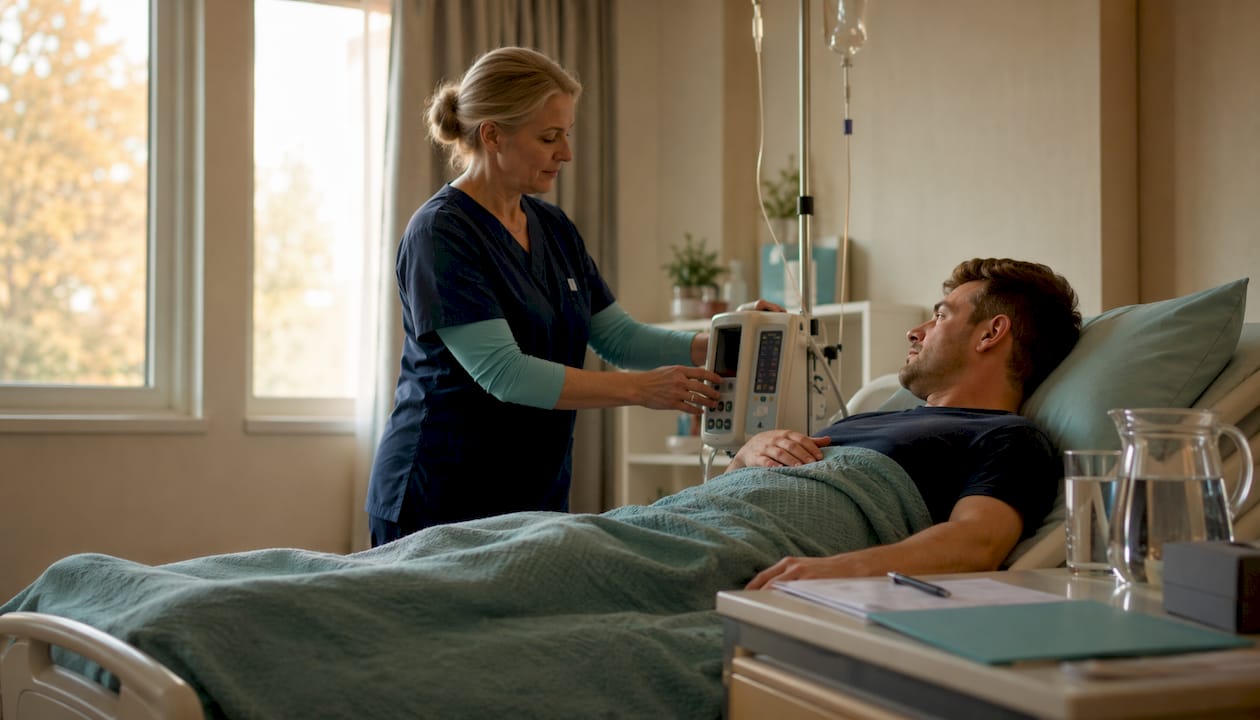
Why professional detox prevents complications during withdrawal
Attempting to detox without medical support is genuinely dangerous. Detox without medical care increases the risk of fatal withdrawal symptoms, including seizures and delirium, and makes it less likely a person will ever try again. Professional detox changes that equation by placing trained clinicians between you and the worst outcomes withdrawal can produce.
Here is what professional detox actually delivers:
- 24/7 medical supervision to monitor vital signs and catch dangerous changes before they escalate
- Medication-assisted treatment to stabilize brain chemistry and reduce the intensity of withdrawal
- Tailored medical interventions that address your specific substance history and any co-occurring health conditions
- Immediate emergency response if seizures, cardiac events, or delirium tremens develop
- Structured transition planning so detox connects directly to the next phase of addiction treatment
None of these safeguards exist when someone tries to quit alone at home. Professional detox is not a luxury upgrade. It is the clinical infrastructure that keeps withdrawal survivable.
What medical complications can happen during detox?
Withdrawal is not just uncomfortable. For certain substances, it can kill. Understanding the real risks is the first step toward making a safer choice.
- Seizures are among the most feared withdrawal complications, particularly with alcohol and benzodiazepines. They can occur without warning and cause lasting neurological damage or death.
- Delirium tremens (DTs) is a severe form of alcohol withdrawal involving confusion, hallucinations, and dangerous cardiovascular instability.
- Cardiac complications, including irregular heart rhythms and dangerous blood pressure spikes, can develop rapidly during withdrawal from several substance classes.
- Severe dehydration is common because withdrawal often brings vomiting, sweating, and an inability to keep fluids down.
- Psychological crises, including acute anxiety, paranoia, and suicidal ideation, frequently emerge during the first days of withdrawal.
Alcohol, benzodiazepine, and barbiturate withdrawal carry the highest risk of fatal complications without medical oversight. But the unpredictability of withdrawal means even substances considered lower risk can produce serious emergencies, especially when a person has underlying health conditions. Knowing what detox withdrawal symptoms look like in practice helps set realistic expectations before the process begins.
At-home detox attempts also tend to collapse under the weight of pain. When withdrawal becomes unbearable and no clinical support exists, relapse is the most common outcome. That cycle of failed attempts, guilt, and avoidance of professional care is one of the most damaging patterns in addiction recovery.
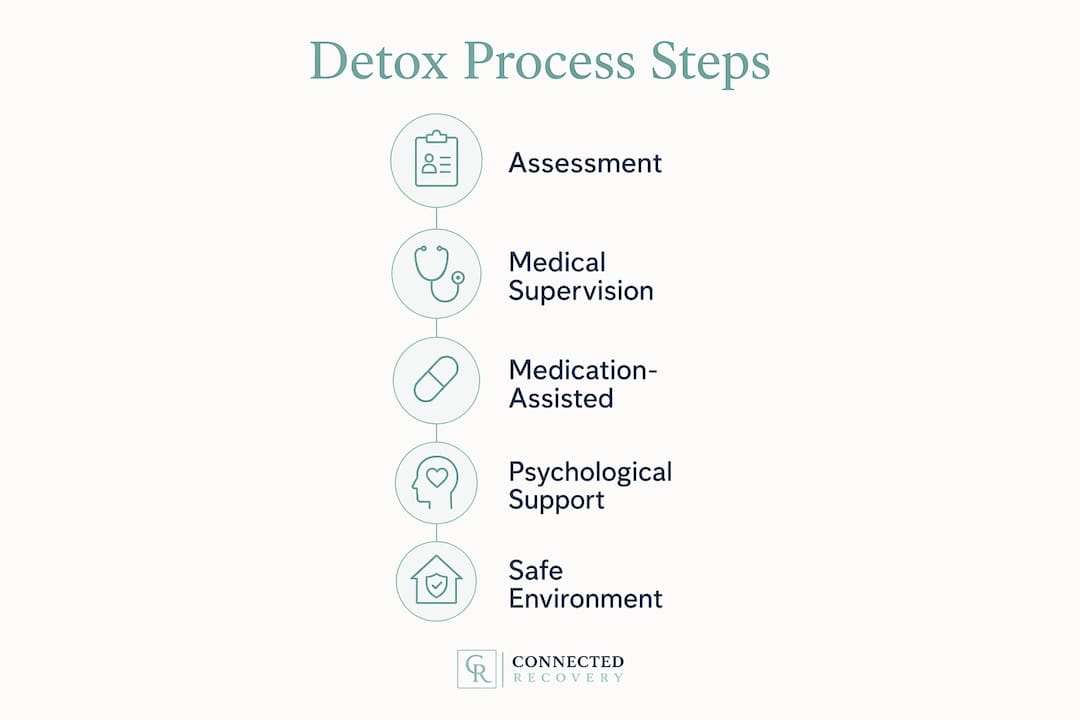
How does medical supervision actually reduce your risk?
Professional detox programs do not just observe. They intervene, adjust, and protect in real time. The difference between monitored and unmonitored withdrawal is the difference between a managed medical process and a crisis with no backup.
- Continuous monitoring of vital signs allows clinicians to detect early warning signs of seizure, cardiac stress, or respiratory distress before they become emergencies.
- Medication-assisted treatment uses drugs like benzodiazepines for alcohol withdrawal and buprenorphine or methadone for opioid withdrawal to reduce cravings and prevent dangerous physiological swings. Nearly 80% of detox cases utilize medication-assisted treatments for safer withdrawal management.
- IV hydration and nutritional support address dehydration and nutrient depletion that the body cannot manage on its own during acute withdrawal. Medical detox facilities provide intravenous fluids and continuous hydration monitoring as standard care.
- Personalized detox plans built from a thorough medical assessment account for co-occurring disorders, prior withdrawal history, and substance-specific risks. Professional programs begin with this assessment to tailor care from day one.
- Organ function monitoring tracks liver, kidney, and cardiovascular health throughout the process, catching complications that would go unnoticed at home.
Pro Tip: If you or someone you care about has a history of alcohol or benzodiazepine use, never attempt to stop without medical guidance. These are the two substance classes where withdrawal alone can be fatal, and the risk does not diminish with willpower.
The clinical environment also removes access to substances during the most vulnerable hours. That structural barrier matters more than most people expect. When cravings peak at 3 AM and no substance is available, the moment passes. At home, it rarely does.
What are the psychological benefits of professional detox support?
Physical safety gets most of the attention in detox discussions, but the psychological dimension shapes long-term recovery just as much. Withdrawal is not only a body event. It is a mental and emotional crisis that professional care is specifically designed to address.

Emotional support during medically supervised detox reduces feelings of isolation, anxiety, and depression that are common during withdrawal. When a person knows trained staff are present and invested in their comfort, the experience shifts from terrifying to manageable. That shift has real clinical consequences for completion rates and what comes next.
Failed at-home detox attempts leave a specific kind of damage. The combination of physical agony and the sense of personal failure discourages people from seeking professional care afterward, sometimes permanently. Professional detox breaks that cycle by replacing a traumatic experience with a supported one.
Ongoing emotional and psychological support during detox is also key to building the motivation needed for the longer treatment work ahead. Detox is not recovery. It is the doorway. Arriving at that doorway with some confidence intact, rather than depleted and ashamed, changes what a person is able to do next.
Integrated care for co-occurring mental health conditions, such as depression, PTSD, or anxiety disorders, begins during detox at quality facilities. Treating only the substance while leaving the underlying condition unaddressed is one of the most common reasons people relapse after completing detox. Dual diagnosis treatment that starts during detox gives those conditions less room to drive the person back to substance use.
Why choosing professional detox is the safest path forward
The case for professional detox comes down to one clear reality: withdrawal is a medical event, and medical events require medical care.
- Medical emergencies during withdrawal are unpredictable. Even people with no prior serious complications can experience a life-threatening episode. Professional supervision is the only reliable way to catch and respond to those moments.
- Medication-assisted treatment dramatically improves completion rates. People who attempt detox without medication support face far higher rates of relapse mid-process, which resets the clock and increases cumulative risk.
- Unsupervised detox produces lasting harm beyond the physical. The psychological damage from a failed attempt, including guilt, fear, and avoidance of future treatment, is one of the most underappreciated barriers to recovery.
- Professional detox creates the foundation for what follows. Continuous treatment engagement after detox significantly reduces relapse and mortality rates. That engagement only happens when detox is completed safely.
- Connected Recovery provides exactly this kind of care. With a 12-bed capacity, 24/7 medical supervision, and treatment plans built around each person’s specific history and co-occurring conditions, Connected Recovery is designed to make detox survivable and the transition to ongoing treatment possible.
Choosing professional detox is not a sign of weakness or an admission that willpower failed. It is the recognition that withdrawal is a clinical process, and that clinical processes go better with clinical support. The benefits of residential detox extend well beyond the first few days of withdrawal. They set the trajectory for everything that comes after.
Connected Recovery’s medical detox program in Van Nuys, CA combines round-the-clock clinical oversight with personalized care plans and integrated mental health support. If you or someone you love is facing withdrawal, this is where safe detox begins.
Key Takeaways
Professional detox prevents complications by placing medical supervision, medication-assisted treatment, and psychological support between the person and the most dangerous moments of withdrawal.
| Point | Details |
|---|---|
| Medical supervision saves lives | Continuous monitoring catches seizures, cardiac events, and delirium tremens before they become fatal. |
| Medications reduce relapse mid-detox | Nearly 80% of detox cases use medication-assisted treatment to manage withdrawal safely and improve completion. |
| Unsupervised detox causes lasting harm | Failed at-home attempts produce guilt and avoidance that discourage future treatment-seeking. |
| Psychological support shapes long-term outcomes | Emotional care during detox reduces anxiety and depression, building motivation for continued treatment. |
| Detox is the gateway, not the destination | Continuous treatment engagement after detox significantly reduces relapse and mortality rates. |
Recommended
DHCS Licensed · Joint Commission Accredited
If you or a loved one is struggling with substance use, our admissions team is available to verify your insurance benefits and help you begin recovery. All calls are confidential.